
MVP Scope: What to Build First on a $15k-30k Budget
2026-10-06 · Appsoluty team
MVP scope is the single decision that decides whether a $15,000 to $30,000 first phase ships something a real user will touch, or burns the budget on features nobody asked for yet. Most founders get this backward. They start from a feature list, price it out, and then get surprised when the number comes back double what they had. The budget should come first. The scope gets built to fit it, not the other way around.
If you're the kind of founder we usually hear from, you already have a validated workflow. You've run it manually, on spreadsheets, in your head, or through a patchwork of tools, and you know exactly where it breaks. You're not validating an idea. You're replacing a process. That changes what belongs in an MVP, and it's why most of the generic "MVP cost in 2026" guides floating around don't help you much. They quote wide ranges and never tell you what to cut.
Why your budget should set the scope, not the other way around
A $15,000 to $30,000 first phase isn't a small budget. It's a specific amount of engineering time, and the smartest thing you can do with it is decide, before a single line of code gets written, what that time buys and what it doesn't.
At a transparent hourly rate like $70/hour, that range works out to roughly 215 to 430 hours of development. That's not a lot of room for a sprawling feature list. It's enough for one workflow, built properly, with the infrastructure to support real users and real data. It is not enough for three user roles, a payments integration, a notifications engine, and a native app on two platforms. Something has to give, and the founders who get a usable product out of phase one are the ones who decide what gives before the build starts, not after the invoice arrives.
This is also where the budget math behind that number matters: a quoted rate is a unit price, not a project plan. The scope decisions below are what turn an hourly rate into a phase you can actually finish inside the number you have.
The one-job test
Before you scope anything in or out, write one sentence: "This MVP exists to make it possible for [this specific user] to [do this one thing] without [the current workaround]." If you can't fill in that sentence cleanly, you don't have an MVP yet. You have a product idea that still needs narrowing.
Everything in your phase-one build should serve that sentence. Everything that doesn't, no matter how obviously useful it seems, waits for round two. Arrivd is a clean example of this discipline in practice: a single-feature MVP that only automated one workflow, instead of trying to be a full logistics platform on day one. That narrowness wasn't a limitation. It was the thing that made the first phase shippable on a real budget and a real timeline.
What to scope in for phase one
Three categories earn a place in a $15,000 to $30,000 build, and almost nothing else does.
The first is the one core workflow from your one-job sentence, built end to end. Not a demo of it. The real thing, with the edge cases that show up in actual use, not just the happy path you'd show an investor.
The second is authentication, data, and infrastructure that can hold real users: login, a real database, basic security, and hosting that runs reliably. This part is invisible to the user, and it's also non-negotiable. Skip it to save money in phase one, and you end up rebuilding the foundation in phase two instead of adding features to it.
The third is a bare-minimum admin or ops view. Not a polished dashboard, just enough of a back end that you, or whoever runs the business day to day, can see what's happening and fix the obvious problems without opening a database console. Most non-technical founders cut this to save a few thousand dollars and regret it within the first month of real usage.
That's the list. If a feature doesn't fall into one of those three buckets, it's a phase-two candidate by default, not a phase-one assumption.
What to scope out and park for phase two
Start with any integration the workflow doesn't actually depend on. If the thing functions without it connected, that integration is not phase one. Connect it later, once you know the core workflow holds up with real users.
Next is permissions you don't need yet. If your actual first users are a single admin and one user type, building a multi-role permissions system for three roles you expect to add someday is scope you're paying for now and won't use for months.
And pick one platform, not three. Build for the platform your actual first users are on, web, iOS, or Android, and build that one well. A second platform is a phase-two decision made with real usage data, not a phase-one assumption made to look complete in a pitch deck.
Parking these isn't a compromise on quality. It's the difference between a phase one that ships on budget and one that's still in development three months after the money runs out.
Worked example: a domain expert with a validated workflow, not a feature list
The founders who get the most out of a $15,000 to $30,000 phase aren't the ones with the longest feature list. They're the ones who show up with a workflow they understand better than anyone, and let that workflow define the build.
The Invisalign Practice App started from exactly that position: a domain expert's daily workflow turned into one focused app, not a general-purpose practice management platform with a dozen modules nobody in the office would use. The value wasn't in guessing what an orthodontic practice might need someday. It was in building the one thing the practice actually did every day, correctly, first.
That's the real skill a non-technical founder brings to this process: translating what you know about the business into what gets built, rather than handing over a feature wish list and hoping a developer guesses the priorities correctly. You don't need to speak in user stories or technical specs. You need to be precise about the one workflow that matters most, and specific about where it currently breaks.
How a $15k-30k phase actually gets estimated and billed
A phase in this range should never start with a flat quote and a vague promise. It starts with discovery: working out the actual scope and an execution plan before any code gets written, followed by design. Only after that does the estimate get built, in hours, against the specific scope you agreed on, so you see the projected cost before committing to it.
From there, billing should track reality. Weekly billing based on hours actually worked, starting once the contract is signed, keeps the number honest in both directions. You're not locked into a fixed bid that incentivizes the builder to cut corners, and you're not watching a meter run with no visibility into where the hours went.
A team built for this kind of narrow, real-workflow build also matters more than headcount suggests. A ten-person team with dedicated AI, mobile, web, and backend developers, plus a dedicated QA specialist and a dedicated UX/UI expert, can cover a focused MVP without the overhead of a larger shop padding the estimate with roles your phase one doesn't need. Work can typically start within a few days of the first call, once discovery sets the scope.
Once you've done this exercise and know what's actually in scope, the next step is writing it down in a form a developer can act on. If you haven't done that yet, once you know what's in scope, here's how to put it in a brief walks through the document itself.
Signs your MVP has already scope-crept past the budget
A few warning signs show up well before the invoice does, if you know to watch for them.
The feature list keeps growing during discovery instead of shrinking. Discovery should sharpen your one-job sentence, not add three more jobs to it. If every conversation adds a feature instead of cutting one, the scope is drifting.
You can't say which single workflow the MVP proves out. If you're describing your phase one as "a platform for X" instead of "a tool that lets this specific user do this specific thing," you've lost the one-job test already.
You're designing for roles and permissions that don't exist yet. Multi-tenant admin hierarchies for a product with one actual customer are a tell that the scope is being built for an imagined future instead of the budget in front of you.
The estimate keeps moving without a documented, agreed scope change behind it. A $20,000 estimate that quietly becomes $28,000 without a clear "we added X, which is why" conversation isn't a budgeting problem. It's a scope problem wearing a budgeting problem's clothes.
FAQ
Can you build a real MVP under $15,000?
It depends entirely on how narrow the one-job sentence is. A single workflow with light infrastructure needs and no complex integrations can land under $15,000. The moment the scope includes multiple user roles, a third-party payments or scheduling integration, or more than one platform, the realistic floor moves up, and trying to force it under budget usually means the workflow itself gets built incompletely rather than the nice-to-haves getting cut.
What should never be in a first-phase build?
Anything that doesn't serve the one workflow your MVP exists to prove out. In practice, that usually means: a second platform, permission tiers for roles you don't have users for yet, integrations the core workflow can function without, and any admin dashboard more elaborate than what's needed to see and fix problems. None of that is wrong to want. It's just not phase one.
How long does a $15,000 to $30,000 build take?
What's confirmed is the sequence: discovery to set scope and an execution plan, then design, then estimated development hours billed weekly as work happens, with the start of actual work typically within a few days of the first call. The total calendar time depends on how narrowly you've scoped phase one using the test above, which is exactly why that scoping work comes first.
What happens after phase one?
You use what you shipped. Real users touch the one workflow you built, and what you learn from that usage, not from a planning document, tells you what actually belongs in round two. The integrations, roles, and platforms you parked during scoping get re-evaluated against real behavior instead of guesses, and the second phase gets priced the same way the first one was: discovery, scope, hourly estimate, weekly billing.
Related projects
Arrivd
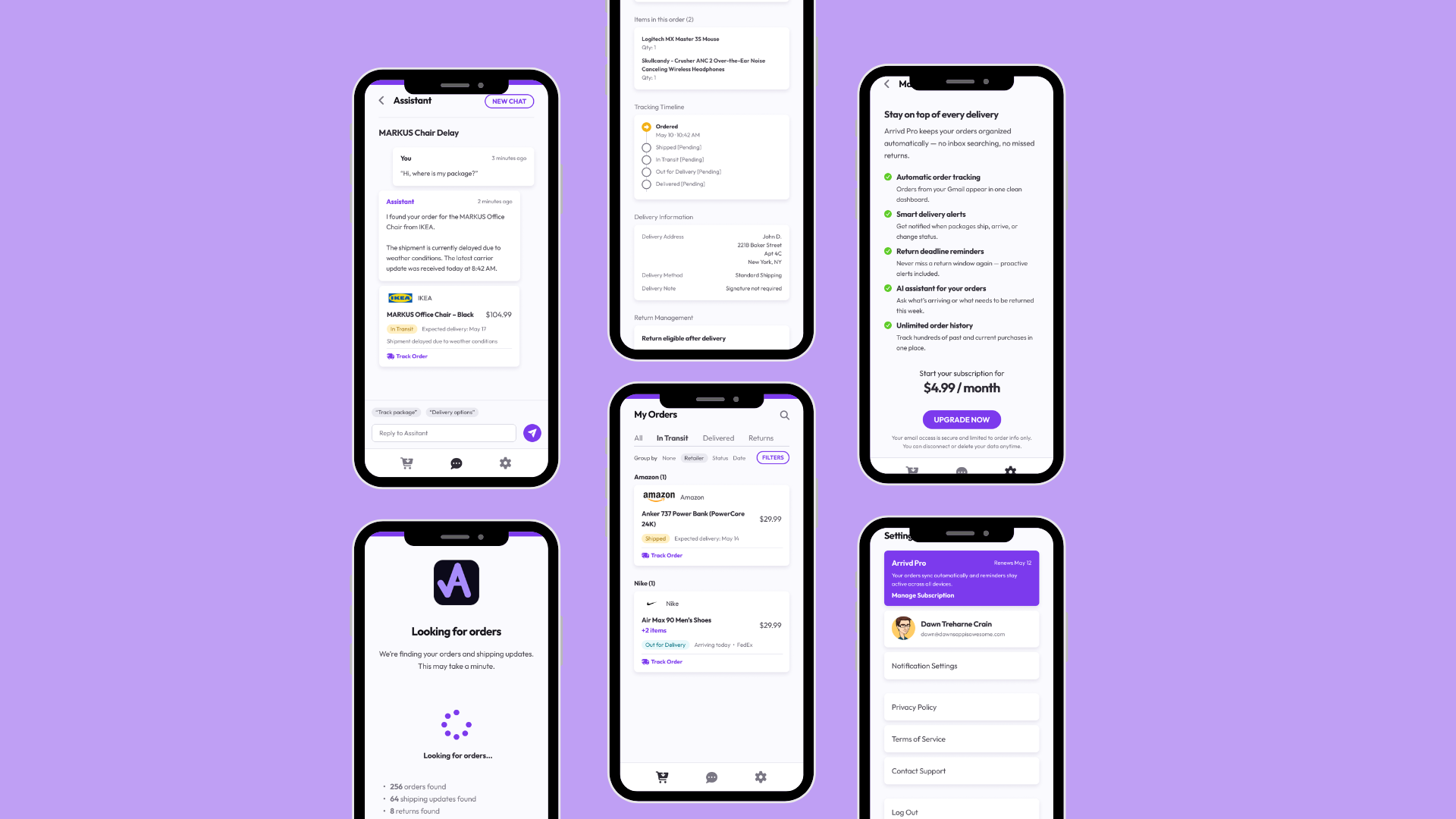
Arrivd is a mobile package tracking app that automatically finds and tracks deliveries by connecting to a user’s Gmail account. Instead of asking users to manually copy tracking numbers from emails, retailer apps, and carrier websites, Arrivd brings all expected packages into one simple, real-time delivery overview.
Invisalign | Healthcare app
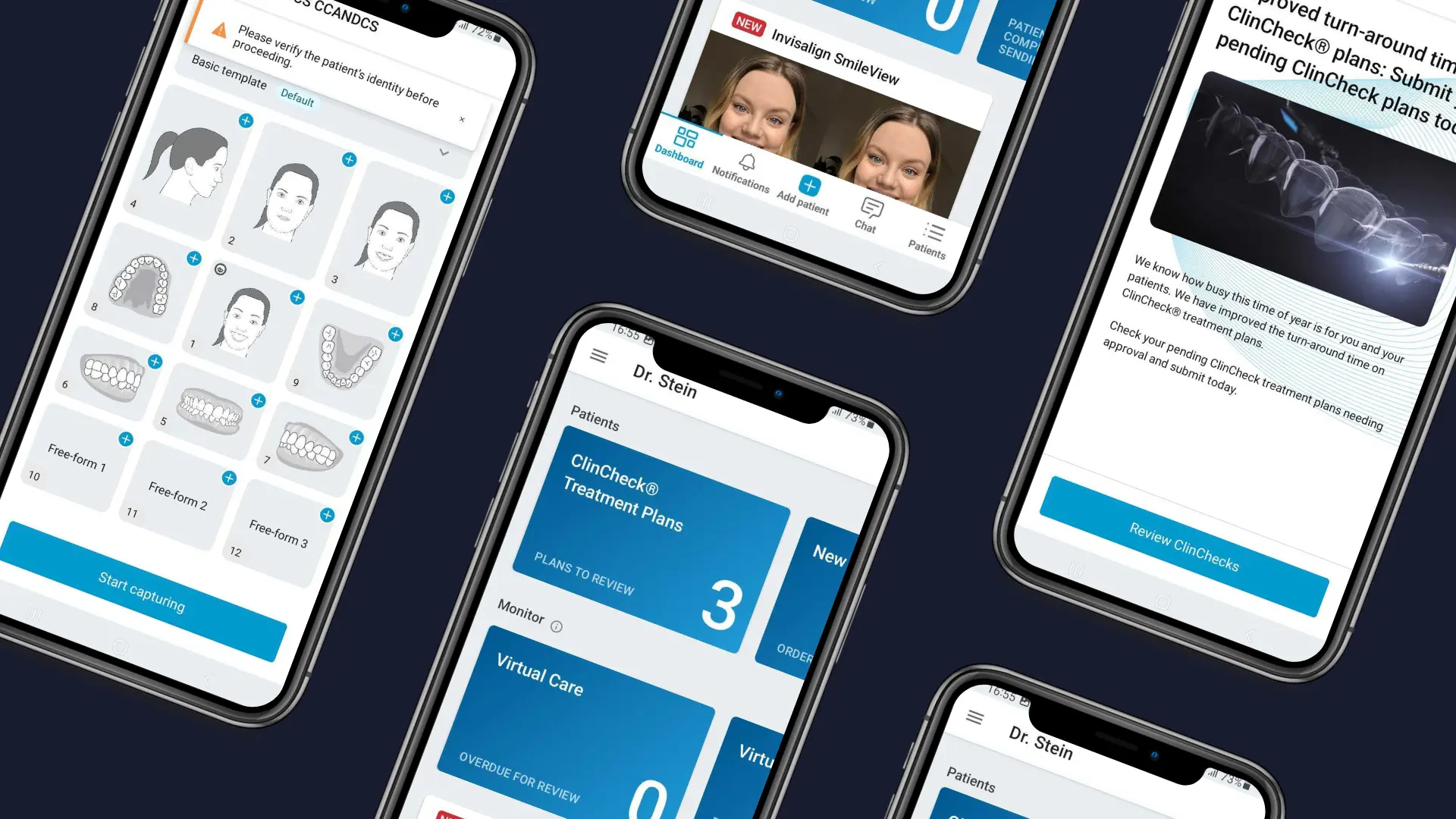
Invisalign Practice App is a mobile app built for dentists and Invisalign providers to manage key treatment workflows directly from their phone. The app brings daily provider tasks into one place, including patient profile creation, photo capture, treatment monitoring, virtual appointments, alerts, and integration with the Invisalign Doctor Site.